Real life with HSV
Can You Transmit Herpes Without Visible Symptoms?

TL;DR
Yes, herpes transmission can occur even when there are no visible symptoms. This happens through a biological process called asymptomatic viral shedding, where the virus is active on the skin without causing an outbreak. However, using condoms, taking daily suppressive medication, and prioritizing immune health can drastically reduce the risk of transmission to a partner.
Key Takeaways
- Asymptomatic shedding occurs when the herpes virus reactivates on the skin surface without causing sores or physical symptoms.
- HSV-2 typically sheds more frequently than HSV-1 during periods without visible symptoms.
- You can significantly reduce the risk of transmission by combining daily antivirals with consistent barrier methods.
- Supporting your immune system with daily lifestyle habits and supportive supplements, like monolaurin, plays a critical role in managing viral activity.
Many people newly navigating relationships with HSV have the same urgent question: is it safe to have sex with herpes when your skin is completely clear? The answer requires understanding the critical difference between an active outbreak and the microscopic activity of the virus.
When no sores, tingling, or redness are present, the virus is largely dormant. However, there are intermittent windows where the virus wakes up and travels to the skin’s surface without causing any physical signs. This invisible activity is why understanding how is herpes transmitted goes beyond simply looking for symptoms.
The fear of unknowingly passing the virus to someone you care about can cause immense stress. This anxiety often stems from a lack of clear, actionable information about how the virus operates when it is not causing a visible outbreak. By learning how this hidden shedding works, you can confidently protect your partner, make informed decisions, and alleviate the anxiety that often accompanies dating with herpes.

What Is Asymptomatic Shedding?
To understand transmission without symptoms, we must look at a process called asymptomatic shedding (or viral shedding). Herpes simplex virus (HSV) does not constantly reside on the surface of your skin. It lives deeper within the body, and most of the time, it remains completely dormant. Periodically, the virus wakes up and travels to the skin or mucous membranes.
If your immune system stops the virus quickly, no lesion forms, and you experience no symptoms. However, microscopic viral particles are temporarily present on the skin’s surface. Because the virus requires access to vulnerable tissue to infect someone else, this shedding primarily occurs at mucocutaneous junctions—the transitional areas between skin and mucous membranes. Research clarifying the biological mechanisms of asymptomatic shedding confirms that transmission generally requires direct mucosal contact with heavily active areas.
The Role of the Nerve Ganglia
When you contract HSV, the virus establishes a permanent residence in the nerve ganglia. For oral herpes, this is typically the trigeminal ganglion near the base of the brain. For genital herpes, it rests in the sacral ganglion near the base of the spine.
When the virus reactivates, it travels back down these exact same nerve pathways to the surface of the skin. If the virus replicates fast enough to damage skin cells, a visible outbreak occurs. If your immune system intervenes quickly, the virus may only exist on the skin for a few hours before being suppressed again. This brief, invisible window is the essence of asymptomatic shedding.

HSV-1 vs HSV-2 Differences in Shedding
The frequency of asymptomatic shedding depends heavily on the virus type and its location. Clinical data examining HSV-1 vs HSV-2 differences reveals that HSV-2 is far more active in the genital region. A landmark study published in the Annals of Internal Medicine found that asymptomatic viral shedding is significantly higher for HSV-2, occurring in 22.9% of nonprimary cases versus 11.9% of primary HSV-1 cases.
The highest shedding rates are generally observed in the first three to twelve months post-acquisition. Over time, as your body builds specific antibodies, the frequency of these shedding days naturally decreases.
What Factors Affect the Transmission Risk Per Encounter?
Understanding the herpes transmission risk per encounter is the first step in taking control of your sexual health. When no symptoms are present, the baseline risk is relatively low, but it is never zero. Fortunately, how to prevent herpes transmission to a partner involves stacking multiple highly effective prevention methods that compound to keep your partner safe.
Daily Suppressive Antivirals
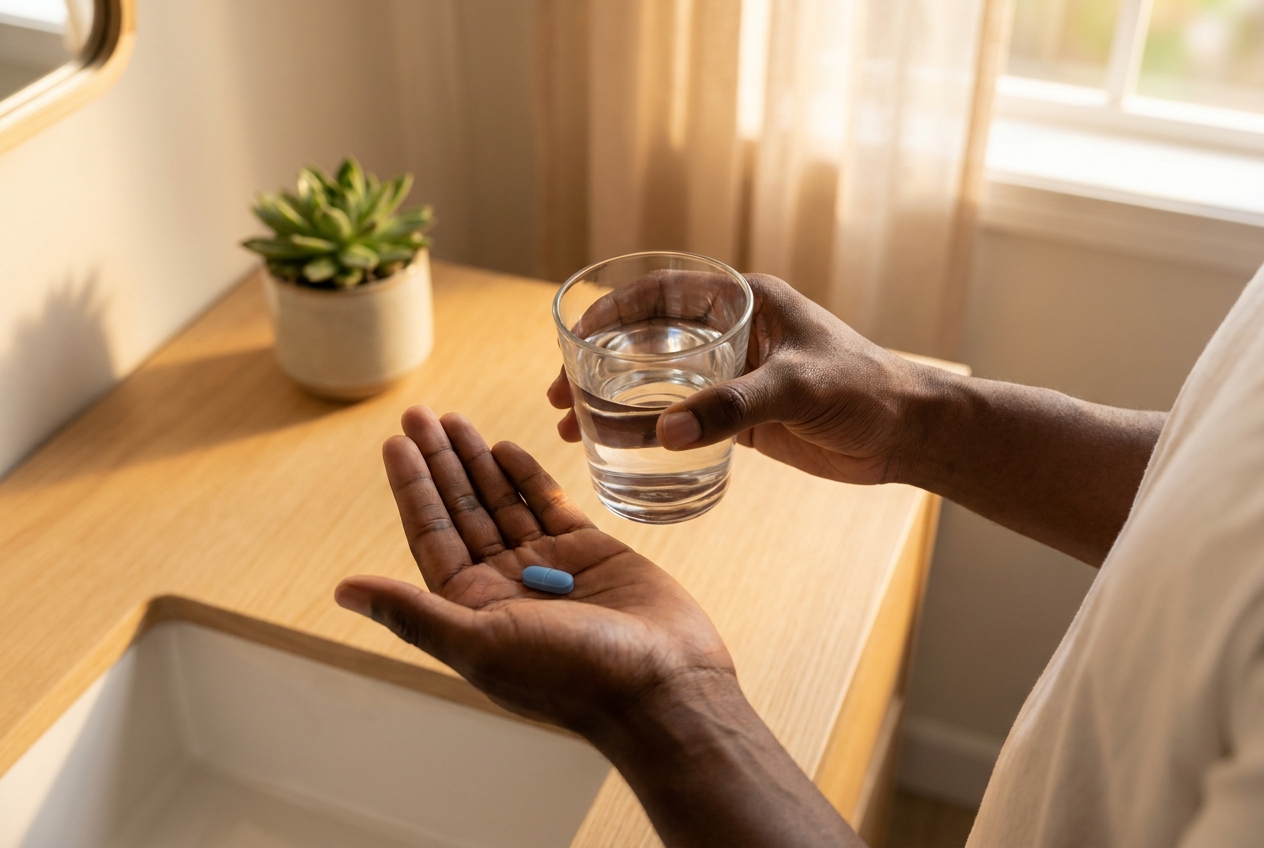
Daily antiviral medications, such as valacyclovir, suppress the virus’s ability to replicate, profoundly lowering asymptomatic shedding rates. A comprehensive study in the New England Journal of Medicine demonstrated that once-daily suppressive therapy with 500 mg valacyclovir reduced asymptomatic viral shedding days from 10.8% to just 2.9%.
This ultimately reduced the transmission risk to susceptible partners by 48% over an eight-month clinical period. When evaluating the statistical risk of transmission and shedding rates before intimacy, suppressive antivirals represent the strongest medical intervention available.
Barrier Methods
Practicing safe sex practices with herpes typically involves the consistent use of condoms or dental dams. While condoms do not cover all the surrounding skin where viral shedding might occur, they cover the mucous membranes most vulnerable to transmitting and receiving the virus.
According to research in Clinical Infectious Diseases, the baseline per-act transmission rate for unprotected sex from men to women is 28.5 transmissions per 1000 acts. Utilizing a condom reduces the per-act risk of transmission by 96% from men to women, and by 65% from women to men. Combining barrier methods with antivirals yields the lowest possible transmission risk.
Daily Immune Support and Lifestyle Context
Because viral shedding is intimately connected to your body’s immune surveillance, your overall health acts as the primary defense system. The immune system constantly scans for viral activity, deploying antibodies to neutralize it. When your immune response is compromised by chronic stress, poor sleep, or inadequate nutrition, the virus has an easier time reaching the skin’s surface undetected.
Many individuals incorporate natural wellness habits into their standard routines to keep their immune system resilient. Ingredients like monolaurin, a lipid compound derived from lauric acid, are frequently explored as a supportive addition to daily regimens. Monolaurin is widely recognized for its ability to support general immune function. While it is not a cure and should not replace safe sex practices, exploring the benefits of monolaurin for HSV and utilizing high-quality monolaurin can be a practical part of a broader, proactive lifestyle.

Frequently Asked Questions
Is it safe to have sex with herpes if I have no symptoms?
Yes, it is generally considered safe, but safe does not mean zero risk. By communicating openly with your partner, using condoms consistently, and taking daily suppressive medication, you can dramatically lower the risk of asymptomatic transmission to a highly manageable level.
How long does asymptomatic shedding last?
Shedding episodes are usually quite brief, often lasting only 12 to 24 hours. However, because there are no physical signs, you will not know exactly when these short windows are occurring. This unpredictability is why consistent protection is recommended even when your skin is clear.
Does asymptomatic shedding decrease over time?
Yes. The highest rates of viral shedding happen during the first year of acquiring the virus. As your immune system becomes more familiar with the virus and develops targeted antibodies, both visible outbreaks and invisible shedding days naturally decrease.
Can a blood test show if I am actively shedding the virus?
No. Standard herpes blood tests only look for the presence of antibodies in your bloodstream, which indicate that you have the virus in your system. They cannot detect whether the virus is currently active or shedding on the surface of your skin.
The Bottom Line on Intimacy and Risk
Navigating intimacy when you have herpes requires shifting away from fear and moving toward education. The reality of asymptomatic shedding means that transmission is biologically possible without visible sores, but it is never an inevitability.
By combining the daily use of suppressive antivirals, reliable barrier methods, and consistent immune support routines, you can reduce the transmission risk to a tiny fraction of its baseline. Knowledge is your most powerful tool. When you deeply understand how the virus behaves microscopically, you can confidently engage in healthy, fulfilling relationships while fully protecting the people you care about.

Continue Exploring
- My Partner Was Diagnosed With Herpes: How to Support Them and What to Do Next
- Can You Get Herpes from a Kiss on the Cheek? Understanding the Real Risks
- Preparing for a First Date With Herpes: Precautions to Prevent Outbreaks and Anxiety
References
Scientific Research
- Koelle DM, et al. “Asymptomatic reactivation of herpes simplex virus in women after the first episode of genital herpes.” Annals of Internal Medicine, 1992. Link
- Corey, L., et al. “Once-daily valacyclovir to reduce the risk of transmission of genital herpes.” New England Journal of Medicine, 2004. Link
- Magaret, A. S., et al. “Effect of Condom Use on Per-act HSV-2 Transmission Risk in HIV-1, HSV-2-discordant Couples.” Clinical Infectious Diseases, 2016. Link
Internal Resources