Real life with HSV
Why Does Stress Trigger Herpes Outbreaks (And How Can You Manage It)?

TL;DR
Yes, stress is one of the most common triggers for herpes outbreaks. When you experience psychological or physical stress, your body releases cortisol, a hormone that actively wakes up the dormant herpes simplex virus (HSV) while simultaneously suppressing your immune system. Managing stress through emotional regulation, healthy lifestyle habits, and targeted immune support is critical for maintaining viral latency and reducing the frequency of flare-ups.
Key Takeaways
- Stress hormones like cortisol do not just weaken the immune system; they actively signal the dormant herpes virus to wake up and replicate.
- Chronic, long-term stress impairs the specific memory T-cells your body relies on to keep herpes outbreaks in check.
- Managing emotional well-being is a legitimate, scientifically backed strategy for reducing the frequency of herpes flare-ups.
- Combining stress reduction techniques with supportive natural options like monolaurin can help fortify your immune system against stress-induced triggers.
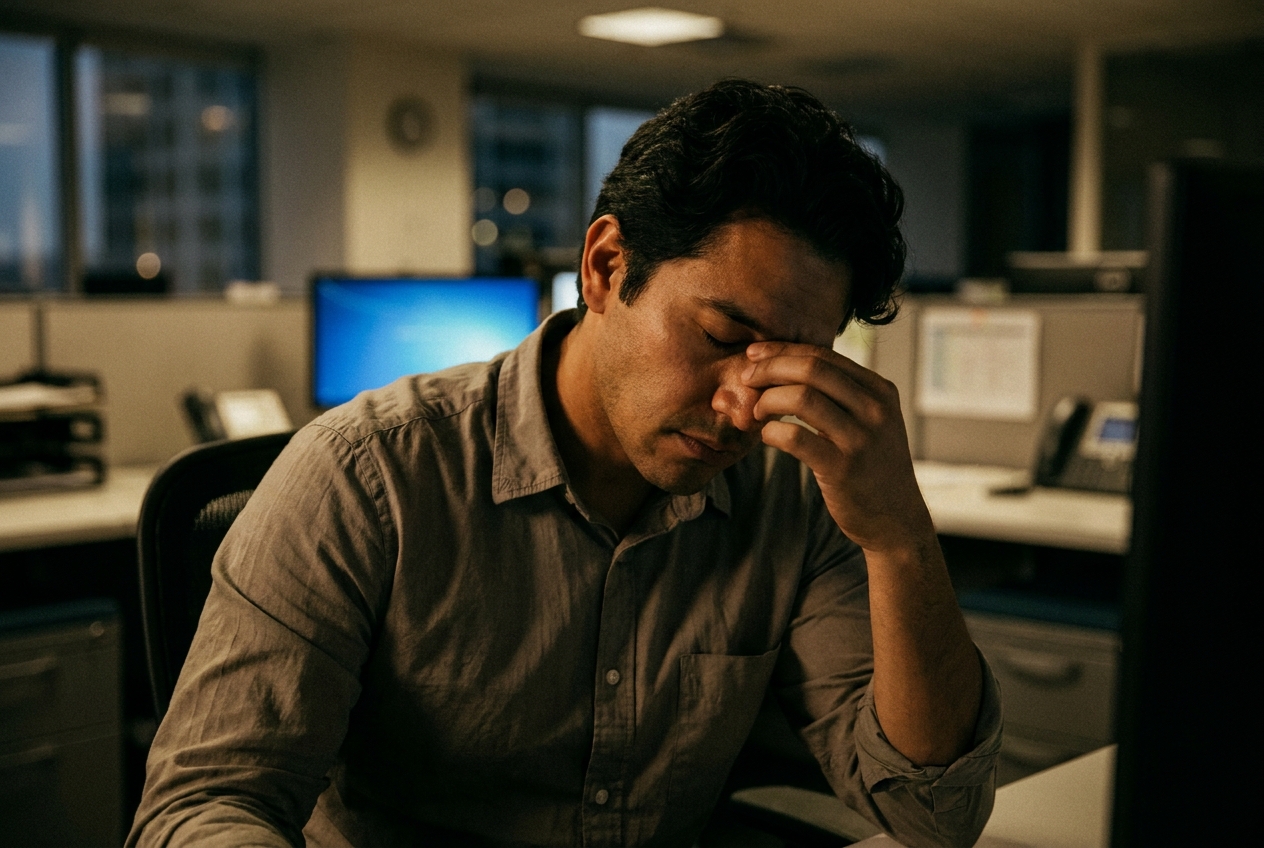
Many people navigating life with herpes notice a frustrating pattern: right when life gets overwhelming—a major project at work, relationship friction, or generalized anxiety—a herpes outbreak appears. This creates a difficult cycle where the physical symptoms of an outbreak compound the emotional stress you were already feeling.
Understanding why do herpes outbreaks happen during difficult times requires looking past the surface. Stress does not just make you feel run down; it creates a specific chemical environment in your body that favors viral activity. By understanding the profound connection between your immune system and herpes outbreaks, you can take practical, supportive steps to break the cycle, protect your immune health, and regain a sense of calm in your daily life.
How Does Stress Reactivate the Herpes Virus?
To understand herpes outbreak causes, we have to look at how the virus behaves inside the body. After an initial infection, the herpes simplex virus (HSV) retreats into the nerve ganglia, where it lies dormant (or latent). A healthy, robust immune system continuously monitors these nerve pathways to ensure the virus stays asleep.
However, stress disrupts this delicate balance in two distinct ways.
First, stress actively wakes the virus up. When you experience stress, your adrenal glands pump out cortisol. A study published in Advances in Virus Research found that stress hormones directly stimulate viral gene expression. Cortisol activates the glucocorticoid receptor (GR) in your body, which then binds to viral promoters, actively driving the virus from latency into a productive infection (Jones et al., 2021). It is not merely a passive drop in immune defense; stress hormones effectively “turn on” the virus.
Second, stress paralyzes the immune cells meant to stop the outbreak. Sudden, intense anxiety—such as preparing for a first date with herpes—can cause acute spikes in stress hormones that directly suppress CD8+ T cells in the sensory ganglia, actively compromising your local immune surveillance.
This dynamic worsens if the stress is ongoing. Chronic psychological stress acts as an immunosuppressant that significantly increases HSV pathogenicity, as demonstrated in research from the National Institutes of Health. Research published in the Annals of Behavioral Medicine further validates that individuals under chronic stress demonstrate a markedly poorer HSV-specific memory T-cell response, indicating an inadequate ability to suppress the virus (Esterling et al., 1997).

What Factors Affect Stress-Induced Outbreaks?
The connection between herpes and mental health is profound, but psychological pressure is not the only form of stress that matters. Your body processes multiple types of stress through the same biological pathways.
- Emotional Turmoil and Anxiety: Chronic worry, depression, grief, or navigating the emotional complexities of dating with HSV all elevate baseline cortisol levels.
- Physical Exhaustion: Lack of sleep, physical overexertion, or recovering from another illness places systemic stress on your body.
- Biochemical Stress: A poor diet, excessive alcohol consumption, or a high intake of arginine-rich foods can trigger the release of distinct immunomodulating signal molecules—including epinephrine and interleukin-6—which simultaneously compromise cellular defense and act as direct effectors for herpes viral reactivation (Padgett et al., 2001).
How Can You Manage Stress to Reduce Outbreaks?
Because stress physically alters your immune response, how to reduce herpes outbreaks often comes down to proactive stress management and immune fortification.
First, addressing the psychological burden is essential. Practices that activate the parasympathetic nervous system—such as deep breathing exercises, mindfulness meditation, or cognitive behavioral therapy—can physically lower cortisol levels in the bloodstream. If you are dealing with stigma or disclosure anxiety, seeking out herpes support groups or speaking with a therapist can dramatically reduce the daily emotional load.
Second, you can support your body’s resilience with dietary and lifestyle adjustments. Utilizing natural remedies for herpes outbreaks can help counterbalance the immune-suppressing effects of stress. This includes maintaining a diet with a high lysine-to-arginine ratio and incorporating immune-supporting supplements. Many people find success using monolaurin, a natural compound derived from lauric acid, to help support their body’s natural defenses and maintain overall wellness during high-stress periods.

Frequently Asked Questions
Can stress cause a herpes outbreak even if I take medication?
Yes. While antiviral medications are highly effective at suppressing viral replication, severe or chronic stress can still lower your immune system’s natural defenses enough to allow breakthrough flare-ups. Combining antivirals with consistent stress management provides the best defense.
How quickly can a stressful event trigger a flare-up?
It varies by individual, but acute stress can trigger the biological mechanisms for a flare-up within 24 to 48 hours. A sudden emotional shock, extreme anxiety, or a night of severe sleep deprivation can quickly alter your immune response and wake the dormant virus.
Does anxiety about having herpes cause more outbreaks?
Unfortunately, yes. The fear and anxiety surrounding potential outbreaks, disclosure, or dating can create a self-fulfilling prophecy. Chronic worry keeps cortisol levels elevated, which continuously suppresses the immune cells needed to keep the virus dormant.
Can lifestyle changes actually stop stress-related outbreaks?
While there is no way to guarantee an end to all outbreaks, lifestyle changes are highly effective at reducing their frequency and severity. Improving your sleep, regulating emotional stress, and utilizing targeted immune support directly fortifies the cellular barriers that keep the virus latent.

Breaking the Cycle of Stress and Herpes
Navigating life and relationships with HSV is a journey of learning your body’s unique rhythms and triggers. Stress management is not just a vague wellness concept; it is a vital biological tool for maintaining viral latency. By understanding that stress hormones actively wake the virus and suppress your immune defenses, you can take control of the narrative. Focusing on emotional regulation, adequate rest, and supportive immune habits allows you to reduce the physical impact of stress, empowering you to live confidently and comfortably.
Continue Exploring
- Preparing for a First Date With Herpes: Precautions to Prevent Outbreaks and Anxiety
- Natural Remedies for Herpes Outbreaks: Evidence-Based Alternatives and Immune Support
References
- Jones et al., “Regulation of neurotropic herpesvirus productive infection and latency-reactivation cycle by glucocorticoid receptor and stress-induced transcription factors,” Advances in Virus Research, 2021. https://doi.org/10.1016/bs.vh.2021.06.005
- “Preparing for a First Date With Herpes: Precautions to Prevent Outbreaks and Anxiety,” DatingWithHerpes. https://dating-herpes.com/preparing-for-a-first-date-with-herpes-precautions-to-prevent-outbreaks-and-anxiety
- “Psychological stress exacerbates primary vaginal herpes simplex virus type 2 (HSV-2) infection,” National Institutes of Health. https://pmc.ncbi.nlm.nih.gov/articles/PMC3721735/
- Glaser R, et al., “Chronic stress modulates the virus-specific immune response to latent herpes simplex virus type 1,” Annals of Behavioral Medicine, 1997. https://pubmed.ncbi.nlm.nih.gov/9603681/
- Sainz B, et al., “Stress-associated immunomodulation and herpes simplex virus infections,” Medical Hypotheses, 2001. https://pubmed.ncbi.nlm.nih.gov/11359358/
- “Natural Remedies for Herpes Outbreaks: Evidence-Based Alternatives and Immune Support,” DatingWithHerpes. https://dating-herpes.com/natural-remedies-for-herpes-outbreaks-evidence-based-alternatives-and-immune-support