Real life with HSV
Can You Get Herpes from a Kiss on the Cheek? Understanding the Real Risks

TL;DR
Contracting herpes from a kiss on the cheek is highly unlikely. The herpes simplex virus (HSV) requires access to mucous membranes or broken skin to establish an infection. Because the cheek is covered in thick, heavily keratinized intact skin, it acts as a robust physical barrier that effectively blocks the virus from reaching the specific cellular receptors it needs to survive and transmit.
Key Takeaways
- The thick outer layer of facial skin completely blocks the herpes simplex virus from accessing its cellular entry receptors.
- Viral shedding is biologically restricted to mucous membranes and the edges of the lips, not the general skin of the cheeks.
- The absence of a visible cold sore does not mean the virus is entirely inactive, but transmission still requires direct contact with a mucosal surface.
- Casual affection, such as a quick kiss on a healthy, intact cheek, does not provide a viable pathway for HSV transmission.
Navigating Affection and Transmission Anxiety
When dating or building a relationship with someone who has disclosed their Herpes Simplex Virus (HSV) status, anxiety around physical touch is incredibly common. Questions about casual affection—like whether a simple kiss on the cheek is safe—often stem from a misunderstanding of how the virus interacts with the human body.
The fear of accidental transmission can complicate intimacy. However, understanding the specific biological rules that govern how is herpes transmitted directly reduces that fear. HSV is a highly specialized virus. It cannot survive long outside the body, and it cannot easily penetrate a healthy exterior defenses.

The Mechanics of Viral Entry: Mucous Membranes vs. Intact Skin
For HSV to infect a new host, it must physically reach and bind to specific viral entry receptors, primarily nectin-1 and HVEM. These receptors are located in the deeper basal layers of the epidermis.
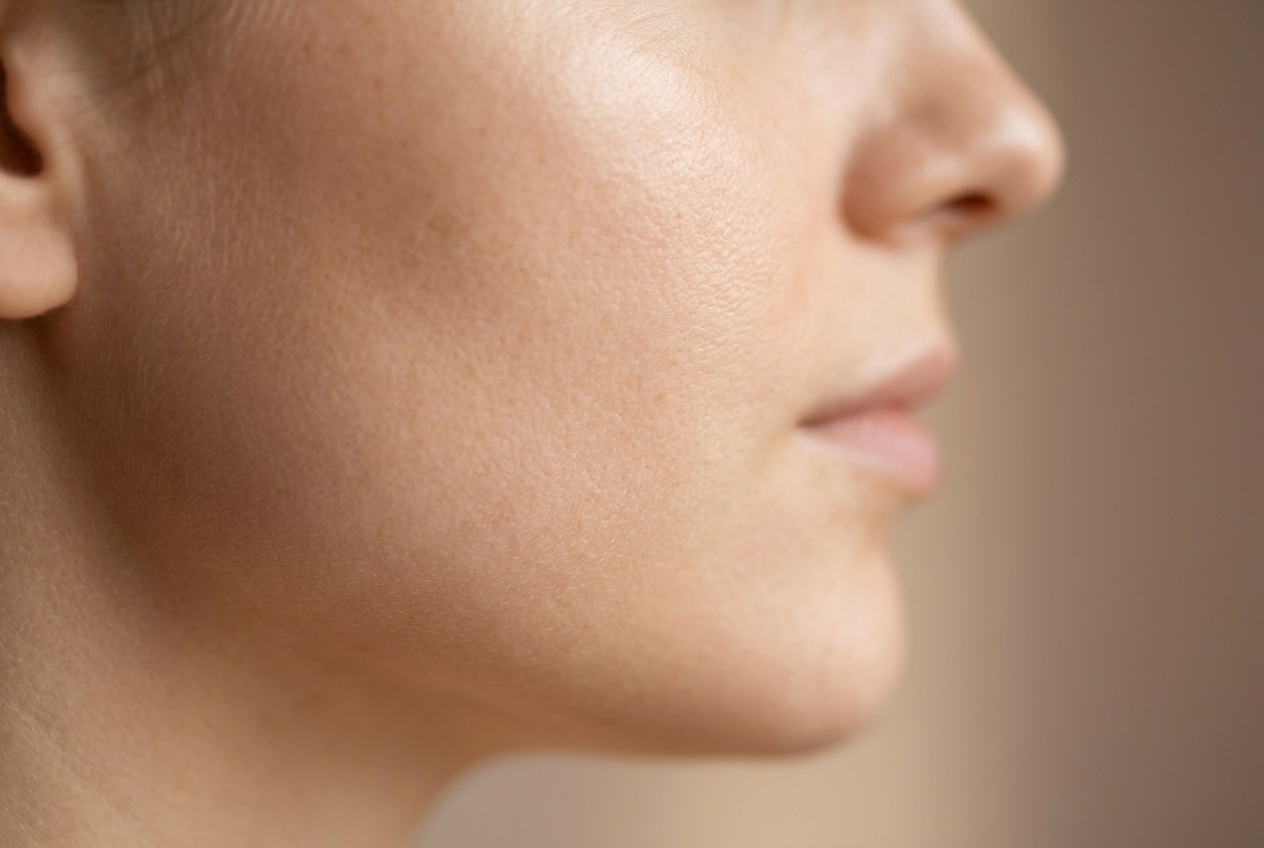
The human cheek is covered by the stratum corneum, a highly keratinized, tough outer layer of dead skin cells. An NIH clinical study published in the Journal of Virology demonstrated that intact human skin provides a robust physical barrier—specifically through the stratum corneum and tight junctions—that strictly prevents HSV-1 from accessing these underlying entry receptors.
Because heavily keratinized skin lacks the vulnerabilities of internal tissues, a kiss on the cheek physically bars the virus from establishing an infection. Conversely, mucous membranes—found inside the mouth, on the inner lips, and on the genitals—are extremely thin and lack this tough outer armor. This is why HSV-1 relies on mucosal surfaces to enter a host, making kissing on the lips a recognized transmission vector, while kissing on the cheek is not.
Where Viral Shedding Actually Occurs
Understanding transmission requires looking at where the virus naturally travels when it becomes active. HSV resides in the nerve bundles beneath the skin. For oral herpes, it specifically targets the trigeminal nerve pathways.
When the virus wakes up—even without forming a visible cold sore—it travels down these specific nerve pathways to the skin’s surface. This process is called asymptomatic shedding. A 2022 study in The Journal of Dermatology confirmed that clinical shedding and viral DNA detection are heavily restricted to mucosal tissues and mucocutaneous junctions, such as the vermillion border where the lip meets the face.
The virus does not asymptomatically shed across intact facial skin. The infectious risk remains strictly confined to perioral and mucosal contact zones. While it is vital to be aware of viral shedding when assessing intimate risk, shedding requires the specific cellular environment of the lips and mouth, leaving the cheek free of infectious virus during asymptomatic periods.
Variables That Alter the Risk Profile
- Micro-abrasions: If the skin on the cheek is broken by a severe scrape, cut, or open acne lesion, the protective stratum corneum is compromised. A virus introduced directly into an open wound could bypass the outer defenses.
- Ectopic lesions: Rarely, an individual might experience an HSV outbreak directly on the facial skin outside the mouth. If a visible, fluid-filled blister is present on the cheek itself, direct contact with that specific blister carries a high risk of transmission.
- Saliva transfer: If infectious saliva from the lips is heavily transferred to a broken area of the cheek, the pathway for the virus is technically open, though the required volume and timing make this an exceptional circumstance.

Supporting Immune Health as Part of Daily HSV Management
Beyond understanding transmission risk, many people navigating HSV also focus on supporting their overall immune health through lifestyle habits like stress reduction, sleep quality, nutrition, and targeted supplements.
One ingredient that is frequently discussed in wellness and HSV communities is monolaurin, a compound derived from lauric acid found in coconut oil. Some individuals incorporate monolaurin supplements into their routines as part of a broader immune-support strategy alongside medical guidance and healthy daily habits.
Monolaurin-based supplements are commonly used by people looking to support immune balance and overall wellness while managing HSV-related concerns.
Learn more: ShopMonolaurin
While supplements are not a replacement for antiviral medications or professional medical care, many people find that a consistent wellness routine, including immune support, helps them feel more proactive and confident in day-to-day life.
Frequently Asked Questions
Can you catch cold sores without kissing on the lips?
Yes, but it requires direct contact with another mucous membrane or an area of broken skin. Sharing items that immediately transfer infectious saliva—like lip balm or utensils during an active shedding phase—can facilitate transmission, though direct skin-to-skin contact with the mucosal tissue of the mouth remains the primary pathway.
Does asymptomatic shedding happen on the cheek?
No. Asymptomatic shedding relies on the specific nerve pathways that lead to the lips and mouth. The virus targets mucosal tissues and the mucocutaneous junctions (the borders of the lips). It does not travel to or shed from the intact, heavily keratinized skin of the cheeks.
What happens if there is an active lesion on the cheek itself?
If a visible herpes sore develops on the cheek, that specific area becomes highly infectious. While uncommon, facial herpes lesions bypass the need for mucosal shedding. Any direct physical contact with the fluid from that active blister can result in transmission.
Are there natural supplements that support immune health against HSV?
Many individuals managing types of herpes (oral vs genital) look for ways to support their daily immune function alongside traditional therapies. Supplements containing monolaurin, a compound derived from lauric acid, are often utilized to help support a balanced immune system and promote overall wellness when navigating life with HSV.
Finding Peace of Mind When Dating
Dating someone with HSV requires honest conversations and a practical understanding of biological risk. Fear thrives in the absence of specific facts. The human body is remarkably resilient, and its external barriers are highly effective at preventing the casual spread of specialized viruses like HSV.
Affection does not have to be paralyzed by anxiety. While the CDC confirms that HSV can spread through kissing even without symptoms, that risk remains strictly bound to mucosal contact. Recognizing the difference between the delicate tissue of the lips and the strong barrier of the cheek allows couples to maintain physical closeness and emotional connection without unnecessary fear.
Continue Exploring
- How to Tell Your Partner You Have Herpes: A Disclosure Guide
- Understanding Oral vs Genital Herpes: What You Need to Know
- Navigating Dating Apps and Intimacy When You Have Herpes
Citations
Research Papers
- Ex Vivo Infection of Human Skin with Herpes Simplex Virus 1 Reveals Mechanical Wounds as Insufficient Entry Portals via the Skin Surface, Journal of Virology, 2021. https://doi.org/10.1128/JVI.01338-21
- Herpes simplex virus DNA testing by a loop-mediated isothermal amplification method for accurate clinical diagnosis and detection of mucosal viral shedding, The Journal of Dermatology, 2022. https://doi.org/10.1111/1346-8138.16229
Related Resources
- How Herpes Spreads Through Kissing (Even Without Symptoms). CDC National Prevention Information Network.
- My Partner Was Diagnosed With Herpes: How to Support Them and What to Do Next. DatingWithHerpes.