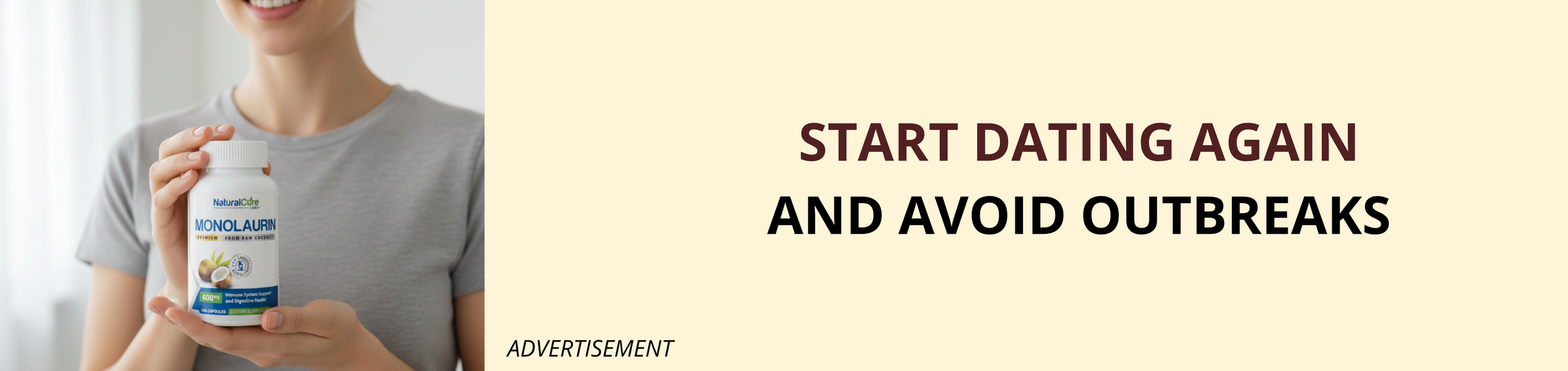
Monolaurin is chemically unique, offering a distinct approach to immune interaction.
Living with herpes often creates a quiet question in the background of daily life: Is there anything I can do to support my body and feel more in control?
For many people, that question leads to learning about immune health and natural compounds like monolaurin.
Monolaurin supports immune defense by interacting with the lipid (fatty) envelope that protects certain viruses, including HSV. It is not a cure for herpes, but many people use monolaurin as part of a broader immune-support approach that includes nutrition, stress management, and self-awareness.
Why People With HSV Look for Immune Support
A herpes diagnosis can feel like losing trust in your own body. Outbreaks often seem unpredictable, and while antiviral medications help many people, others still search for ways to support their immune system naturally.
People living with HSV often share similar motivations:
-
Wanting fewer or milder outbreaks
-
Trying to reduce anxiety around triggers
-
Reclaiming a sense of agency after diagnosis
-
Supporting long-term wellness, not just symptom control
This is where interest in immune-supportive compounds like monolaurin often begins.
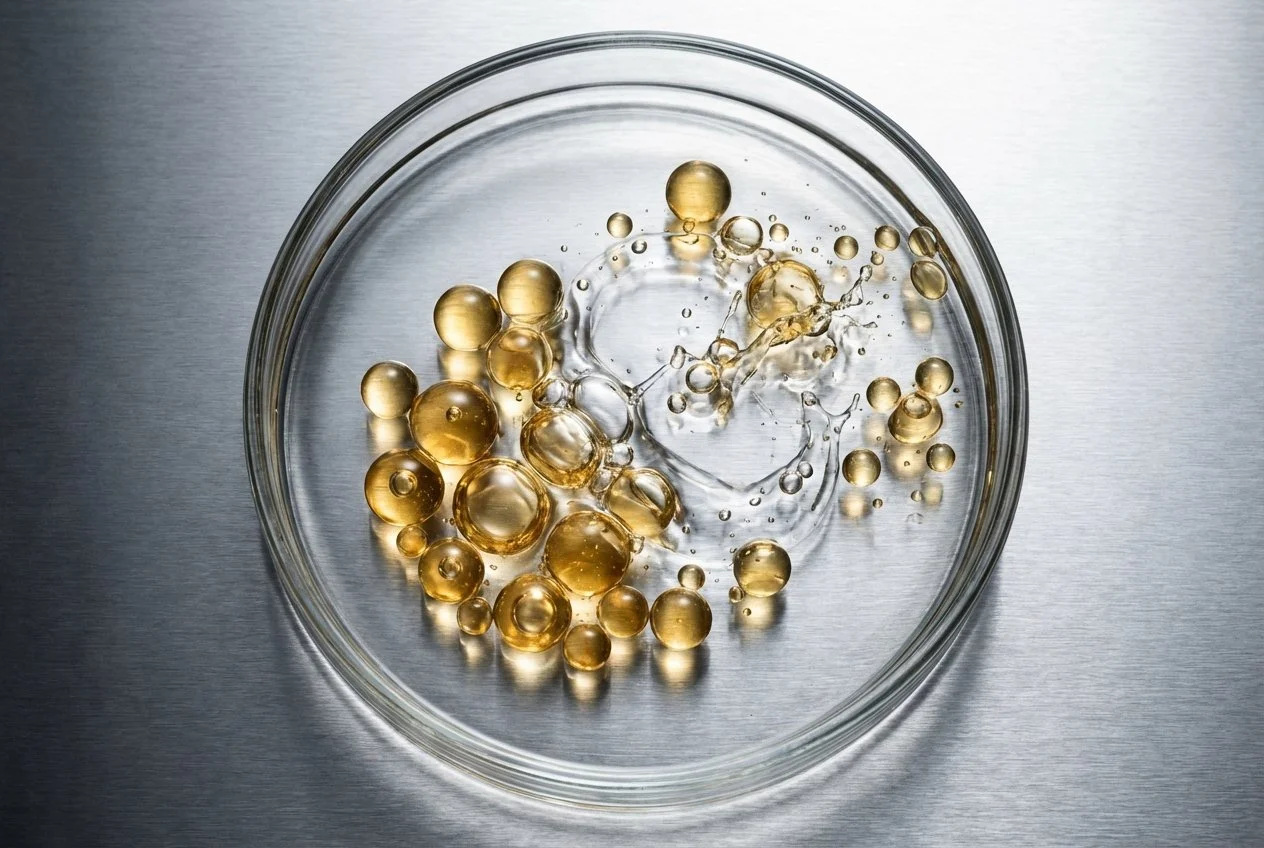
Monolaurin acts as a solvent, targeting the fatty protective layer of enveloped viruses.
What Is a Viral Envelope? (In Plain Language)
Some viruses are surrounded by a soft, fatty outer layer called a lipid envelope. This envelope helps the virus:
-
Protect itself
-
Enter human cells
-
Spread more efficiently
HSV (herpes simplex virus) is classified as an enveloped virus, which means this outer layer plays an important role in how the virus behaves.

Maintaining a healthy microbiome involves supporting the body with gentle, natural compounds.
How Monolaurin Interacts With Lipid-Coated Viruses
Monolaurin is a compound derived from lauric acid, which naturally occurs in coconut oil and human breast milk. It has been studied for its ability to interact with lipid membranes, including those found in certain viruses.
Rather than acting like a drug, monolaurin is generally discussed as:
-
A compound that may disrupt lipid structures
-
A substance used to support the body’s natural immune defenses
Because HSV relies on its envelope for survival and transmission, this interaction is why monolaurin is often mentioned in conversations about immune support for people living with herpes.
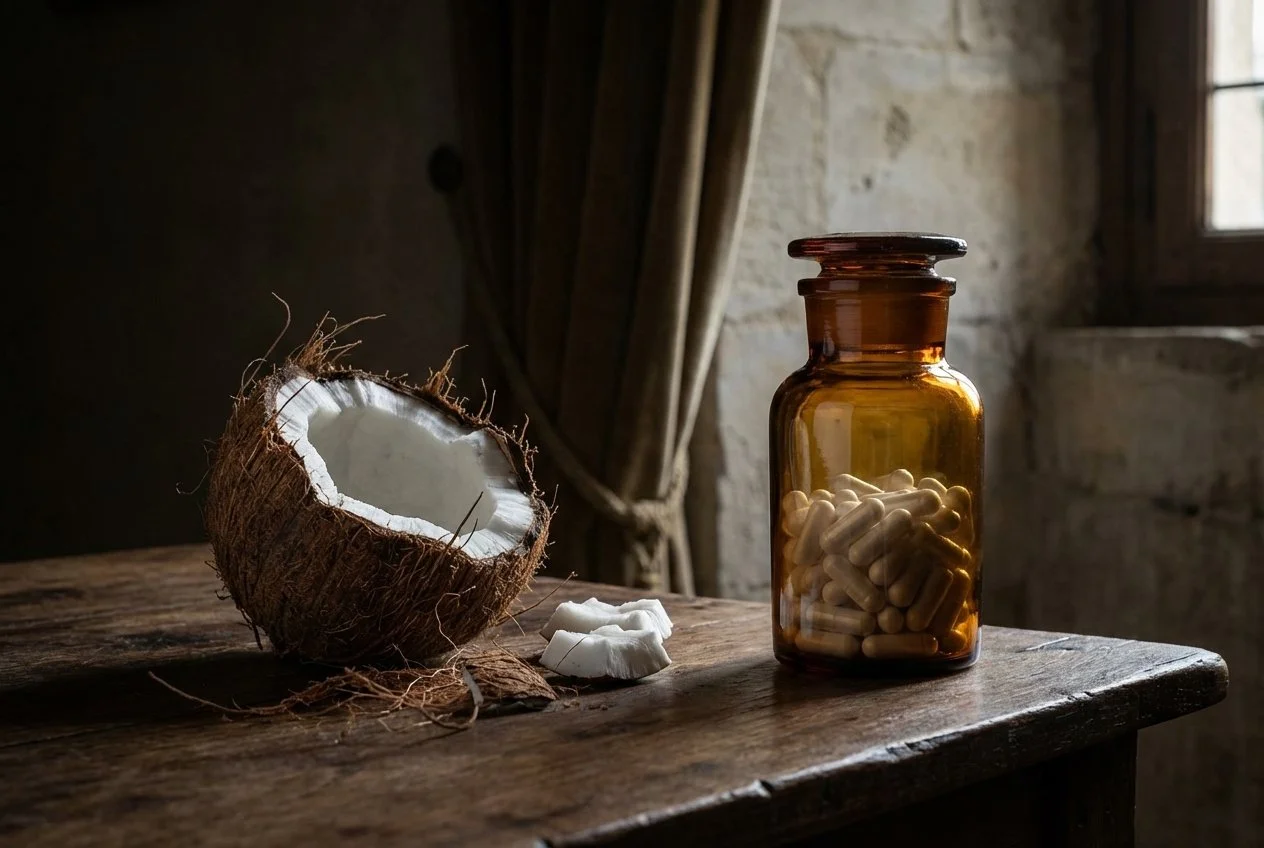
While coconut oil contains the precursor, standardized supplements offer a direct source of monolaurin.
What Monolaurin Can, and Cannot Do
Clarity matters, especially when it comes to health.
Monolaurin can:
-
Support overall immune health
-
Be part of a wellness-focused lifestyle
-
Offer some people a greater sense of control
Monolaurin cannot:
-
Cure herpes
-
Replace antiviral medication
-
Guarantee fewer outbreaks for everyone
Experiences vary widely. What helps one person may not help another, and immune health is always influenced by stress, sleep, nutrition, and emotional wellbeing.
Monolaurin as Part of a Bigger Picture
Many people living confidently with HSV find that managing outbreaks is not about one solution, but a combination of:
-
Emotional regulation and stress awareness
-
Nourishing food choices
-
Adequate rest
-
Self-compassion
-
Immune-supportive habits
If you want to explore a deeper, educational breakdown of monolaurin, including how it is commonly used and discussed, you can visit this resource: Regain Control Over Your Health

Monolaurin fits into a broader strategy of proactive wellness and daily resilience.
Frequently Asked Questions
-
Does monolaurin cure herpes?
No. There is currently no cure for HSV. Monolaurin is used by some people as immune support, not treatment.
-
Can monolaurin reduce herpes outbreaks?
Some people report fewer or milder outbreaks, but results vary and research is still developing.
-
Is monolaurin antiviral or immune-supportive?
It is most often described as immune-supportive, with activity related to lipid-coated viruses.
-
Can monolaurin be used alongside antivirals?
Many people choose to combine approaches, but individual decisions should always be made thoughtfully.
A Final Note for Anyone Living With HSV
Supporting your immune system is not about fighting your body. It’s about working with it.
Whether monolaurin becomes part of your routine or not, the deeper work is learning to trust yourself again, reduce shame, and build a life that isn’t defined by a diagnosis.
You are allowed to seek information, explore options, and choose what feels right for you.
References
-
Lieberman, S., Enig, M. G., & Preuss, H. G. (2006). A Review of Monolaurin and Lauric Acid: Natural Virucidal and Bactericidal Agents. Alternative and Complementary Therapies.
-
Sharafi, S. M., et al. (2017). Protective effects of bioactive fatty acids on viral infection. Journal of Functional Foods.
-
Preuss, H. G., et al. (2005). Minimum inhibitory concentrations of herbal essential oils and monolaurin for gram-positive and gram-negative bacteria. Molecular and Cellular Biochemistry.
-
Barker, L. A., et al. (2019). Plant-derived compounds as a source of antiviral drugs. Journal of Pharmacy and Pharmacology.