It is one of the most common frustrations for people living with oral herpes (HSV-1). You finally go on that beach vacation or spend a beautiful afternoon gardening, and within 24 hours, you feel that familiar tingle on your lip.
Many people are surprised to learn that sunlight is a documented trigger for cold sores. While we associate sunshine with health and vitality, ultraviolet (UV) rays can interact with the virus in specific ways. Understanding this relationship is the first step toward enjoying the sun without fear of the next day’s consequences.
The Clear Answer
Yes, sun exposure is a significant trigger for herpes simplex virus outbreaks, particularly for oral herpes (cold sores). Ultraviolet (UV) radiation temporarily suppresses the immune system within the skin where the virus resides.
When these local immune defenses are lowered by UV damage, the dormant virus can reactivate and travel to the surface, resulting in an outbreak. This is often why people experience “vacation cold sores” during beach trips or skiing holidays.
How UV Light Affects the Immune System
To understand why the sun affects HSV, it helps to look at what happens beneath the skin. When your skin absorbs UV radiation, it causes minor stress to the cells.
Your body rushes to repair this cellular stress. However, UV light also has an immunosuppressive effect on the skin’s surface. It essentially distracts or dampens the local immune cells that usually keep the herpes virus in check. Once those guards are temporarily down, the virus seizes the opportunity to replicate.
This does not mean your overall immune system is weak. It is a localized reaction specific to the area of skin exposed to the sun.
Practical Steps for Sun Safety
You do not need to stay indoors to manage this trigger. Many people successfully navigate sunny days by adding a few protective layers to their routine.
Use Specific Lip Protection
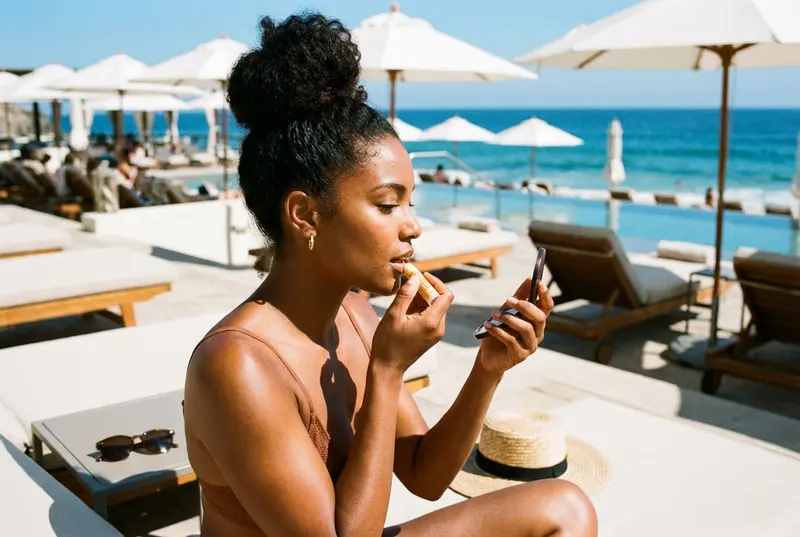
Regular sunscreen is often unpleasant to taste and easy to wipe off. Look for lip balms that specifically contain SPF 30 or higher. Apply this frequently, especially after eating or swimming. The physical barrier helps block the UV rays that wake the virus up.
Physical Shade
Wide-brimmed hats are excellent tools for cold sore prevention. By physically shading your face, you reduce the direct intensity of the UV rays hitting your lips. This is often more effective than sunscreen alone.

Watch for “Reflection” Burn
Sun exposure is not limited to the beach. Snow is highly reflective, bouncing UV rays back up toward your face. This is why skiers often experience outbreaks. If you are on the slopes, lip protection is just as vital as it is on the sand.
Supporting Your Immune Health
While external protection like sunscreen is vital, supporting your body from the inside is equally important. A resilient immune system is better equipped to handle environmental stressors like UV radiation.
Many people focus on maintaining a balanced diet rich in vitamins and hydration, especially during hot weather. Additionally, some choose to incorporate supplements known for supporting immune function.
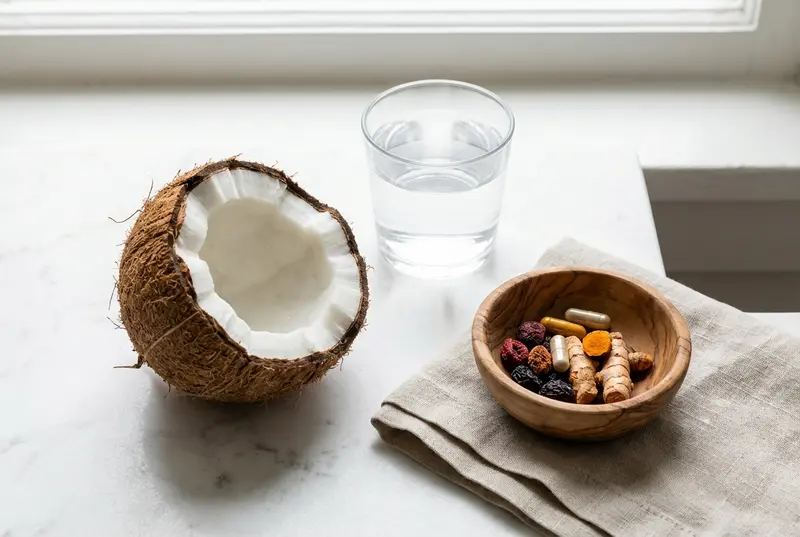
Monolaurin is a dietary supplement derived from lauric acid (found naturally in coconut oil) that is often discussed in the context of immune health. People interested in maintaining their wellness often explore how such compounds fit into their daily routine.
For more educational resources on this topic, you can read further here: https://www.monolaurinandmore.com/health-articles
Common Questions About Sun and Herpes
Does the sun cause genital herpes outbreaks?
While UV rays are a primary trigger for oral herpes, they are less likely to trigger genital outbreaks unless you are sunbathing nude. However, the heat and friction associated with summer activities can sometimes irritate the skin and act as a trigger.
Can tanning beds trigger cold sores?
Yes. Tanning beds use concentrated UV radiation, which can be even more intense than natural sunlight. Many people report outbreaks shortly after using tanning beds due to this direct exposure.
Why do I get cold sores on vacation even if I use sunscreen?
Vacations often involve a combination of triggers. In addition to sun exposure, you may be dealing with travel fatigue, jet lag, dehydration, or dietary changes. This “perfect storm” of stress on the body can override even good sun protection.
Is it safe to be in the sun if I already have a cold sore?
If you have an active sore, it is best to keep it out of direct sunlight. The sun can dry out the sore, potentially worsening the scabbing process or prolonging healing. Keep the area moisturized and shaded.

Enjoying the Outdoors with Confidence
Living with HSV does not mean you have to give up your love for the outdoors. It simply requires a little more strategy. By understanding that UV light is a stressor for your skin, you can take proactive steps to shield yourself.
Remember that triggers are cumulative. If you manage your stress, stay hydrated, and protect your lips, you significantly improve your chances of remaining outbreak-free. Grab your hat, apply your SPF lip balm, and enjoy the sunshine.